



Confidence isn’t something girls are born with—it’s something they build over time through experiences, challenges, and supportive relationships.
For girls in fourth and fifth grade, confidence can play a major role in how they approach school, friendships, leadership opportunities, and new experiences. When girls have opportunities to explore their interests, work with peers, and accomplish meaningful goals, they begin to trust their abilities and discover what they’re capable of achieving.
The good news is that confidence doesn’t require perfection. It grows every time a girl tries something new, overcomes a challenge, or realizes that mistakes are simply part of learning.
Why Confidence Matters During the Elementary Years
Ages 9–11 are an important time for personal growth. As kids become more independent, they also become more aware of how others perceive them. They may begin comparing themselves to peers, questioning their abilities, or hesitating to try unfamiliar activities.
Building confidence during these years helps girls:
- Develop resilience when things don’t go as planned
- Feel comfortable sharing ideas and opinions
- Form healthy friendships
- Take on leadership opportunities
- Explore new interests and hobbies
- Believe in their ability to solve problems
When girls feel confident, they’re more willing to step outside their comfort zones and discover new strengths.
Confidence Is Built Through Experience
Many parents assume confidence comes before taking action. In reality, confidence often comes after action.
A child rarely feels completely confident before joining a new club, trying a STEM activity, speaking in front of a group, or taking on a leadership role. Instead, confidence grows through participation.
Each experience creates opportunities for kids to:
- Learn new skills
- Practice decision-making
- Work through challenges
- Celebrate achievements
- Discover their unique talents
Over time, these small moments add to a strong sense of self-belief.
Activities That Help Girls Build Confidence
Not all activities support confidence in the same way. The most impactful experiences encourage girls to participate, collaborate, lead, and learn.
Team-Based Activities
Group activities teach communication, cooperation, and problem-solving. When girls contribute ideas and work together to achieve a goal, they learn that their voice matters.
Examples include:
- Group activities and creative projects
- Community service projects
- Team-building challenges
- Outdoor adventures
Leadership Opportunities
Confidence grows when girls are trusted to make decisions.
Leadership experiences allow girls to:
- Plan activities
- Set goals
- Lead discussions
- Organize events
- Support younger participants
These opportunities help girls see themselves as capable leaders rather than simply participants.
Outdoor Experiences
Trying something new outdoors often pushes girls beyond their comfort zones.
Activities such as:
- Hiking
- Camping
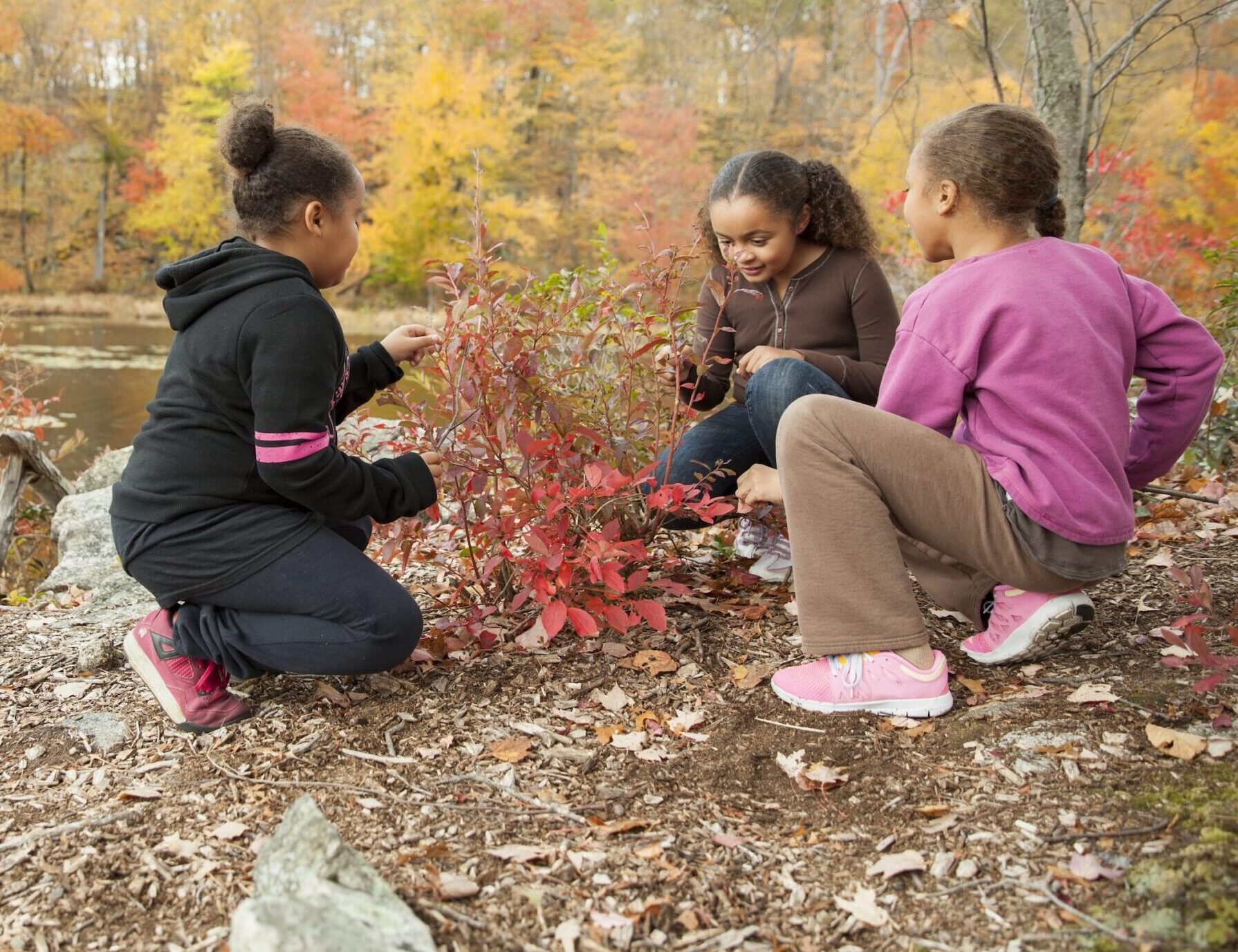
- Nature exploration
- Archery
- Outdoor skill-building
These activities help girls at these ages discover that they can overcome challenges and adapt to unfamiliar situations.
STEM and Skill-Building Activities
Science, technology, engineering, and math activities encourage critical thinking and creativity.
When girls solve problems, create projects, and experiment with new ideas, they gain confidence in their ability to learn and succeed.
The Role of Friendship in Confidence
Confidence isn’t built alone.
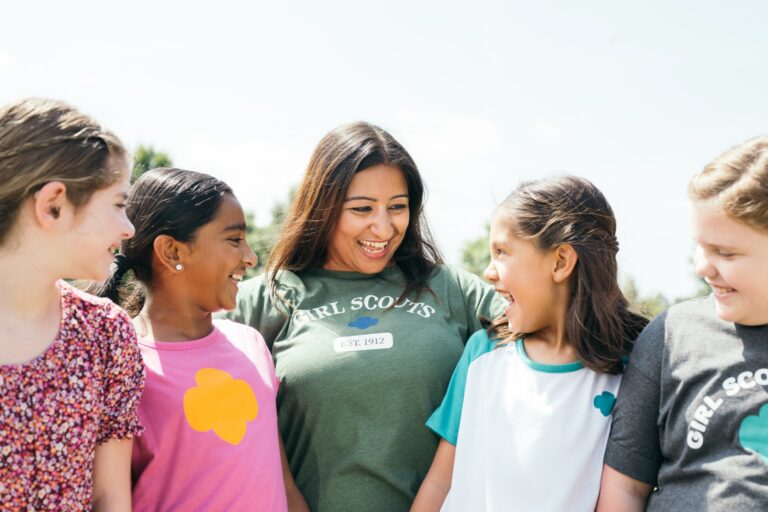
Positive friendships help kids feel accepted, supported, and encouraged to be themselves. Through meaningful connections, they learn valuable social skills and develop a sense of belonging.
When girls participate in activities with peers who share similar interests, they often feel more comfortable:
- Speaking up
- Trying new things
- Taking healthy risks
- Expressing creativity
- Supporting others
Friendships can provide the encouragement girls need to take their next brave step.
52%
More than half of girls say that having a friend by their side encourages them to try new things
92%
of girls ages 5–7 are more willing to take social risks.
*Girl Scout of USA
Why Trying New Things Matters
One of the fastest ways to build confidence is through new experiences.
Whether it’s learning a new skill, volunteering in the community, leading a project, or attending camp for the first time, every new activity teaches girls something important:
“I can do hard things.”
Some experiences may not go perfectly, and that’s okay. Confidence isn’t about never failing—it’s about learning that setbacks don’t define success.
Girls who regularly try new things often develop:
- Adaptability
- Problem-solving abilities
- Growth mindset
- Independence
- Resilience
These qualities help them thrive both now and in the future.
How Parents Can Support Confidence at Home
Parents play an important role in helping confidence grow.
Some simple ways to encourage confidence include:
- Celebrating effort, not just outcomes
- Encouraging curiosity and exploration
- Allowing children to make age-appropriate decisions
- Supporting participation in activities and clubs
- Helping girls reflect on accomplishments
- Encouraging them to try something new each year
The goal isn’t to remove challenges. It’s to help girls recognize that they can overcome them.
Where Confidence Grows
Confidence develops through meaningful experiences, encouraging friendships, and opportunities to lead, learn, and explore.
Whether girls are discovering the outdoors, building STEM skills, serving their communities, or working alongside peers, every experience contributes to a stronger sense of self.
By participating in activities that challenge and inspire them, girls gain more than new skills—they gain the confidence to face the future with courage, curiosity, and determination.
Sources
American Camp Association. (n.d.). Research and data on youth development outcomes. Retrieved October 13, 2026, from https://www.acacamps.org/research
American Psychological Association. (n.d.). Resilience. Retrieved October 13, 2026, from https://www.apa.org/topics/resilience
CASEL. (n.d.). What is social and emotional learning? Retrieved October 13, 2026, from https://casel.org
Child Mind Institute. (n.d.). Self-esteem and confidence resources for parents. Retrieved October 13, 2026, from https://childmind.org/topics/concerns/self-esteem/
Girl Scouts of the USA. (n.d.). Activities for Juniors (Grades 4–5). Retrieved October 13, 2026, from https://www.girlscouts.org/en/activity-zone/grade-levels/junior-badge-activities.html
Girl Scouts of the USA. (n.d.). Research and data. Retrieved October 13, 2026, from https://www.girlscouts.org/en/discover/about-us/research-and-data.html
Harvard Center on the Developing Child. (n.d.). Research and resources on child development. Retrieved October 13, 2026, from https://developingchild.harvard.edu/
National Girls Collaborative Project. (n.d.). Resources and research for engaging youth in STEM. Retrieved October 13, 2026, from https://ngcproject.org/
Search Institute. (n.d.). Developmental relationships and positive youth development. Retrieved October 13, 2026, from https://www.search-institute.org/